The History of Bunco: From 1800s Gambling Halls to Modern Girls Night
If you have ever sat at a table with eleven other women, rolled three dice, and screamed when you hit a Bunco, you are part of a tradition that stretches back nearly two centuries. The game might feel like a modern invention, something that took off in suburban neighborhoods and spread through Facebook groups, but Bunco has a wild and surprisingly long history. Here is how a simple dice game traveled from 19th-century gambling halls to your living room.
The Origins: 1850s England
Bunco, originally spelled "bunko" or "bunco," started as a parlor dice game in England in the mid-1800s. The game was simple by design. Players rolled dice, tried to match target numbers, and scored points. There was no strategy, no complicated rules, and no special equipment. Just dice, a table, and whoever wanted to play.
The simplicity was the point. In an era when card games dominated social gatherings, dice games offered a faster, louder, more accessible alternative. You did not need to learn complicated bidding systems or memorize suit rankings. You just rolled and hoped for the best.
Bunco Crosses the Atlantic
The game made its way to the United States in the 1850s and quickly found a home in saloons, gambling parlors, and social clubs. In San Francisco during the Gold Rush era, Bunco became associated with gambling dens and confidence schemes. The term "bunco squad" actually originated from police units assigned to crack down on dice fraud and con artists who used rigged games to cheat unsuspecting players out of their money.
For decades, Bunco carried a slightly shady reputation. It was a game played in back rooms and smoky halls, more associated with grifters than with game night potlucks. But the game itself, the pure mechanics of rolling dice and matching numbers, was never the problem. It was honest, fast, and fun. It just needed a new context.
The Suburban Revival: 1960s and 70s
Bunco got its second life in the 1960s when women across suburban America started looking for reasons to get together outside of church groups and PTA meetings. Someone remembered the dice game their grandmother used to play, dusted off the rules, and invited the neighbors over.
It was a perfect fit. Bunco required almost no setup, no skill, and no experience. You could teach a brand-new player in two minutes. The game was loud, social, and fast-paced, which meant there was plenty of time for eating, drinking, and catching up between rounds. For women who spent their days managing households and raising kids, Bunco night became a sacred monthly escape.
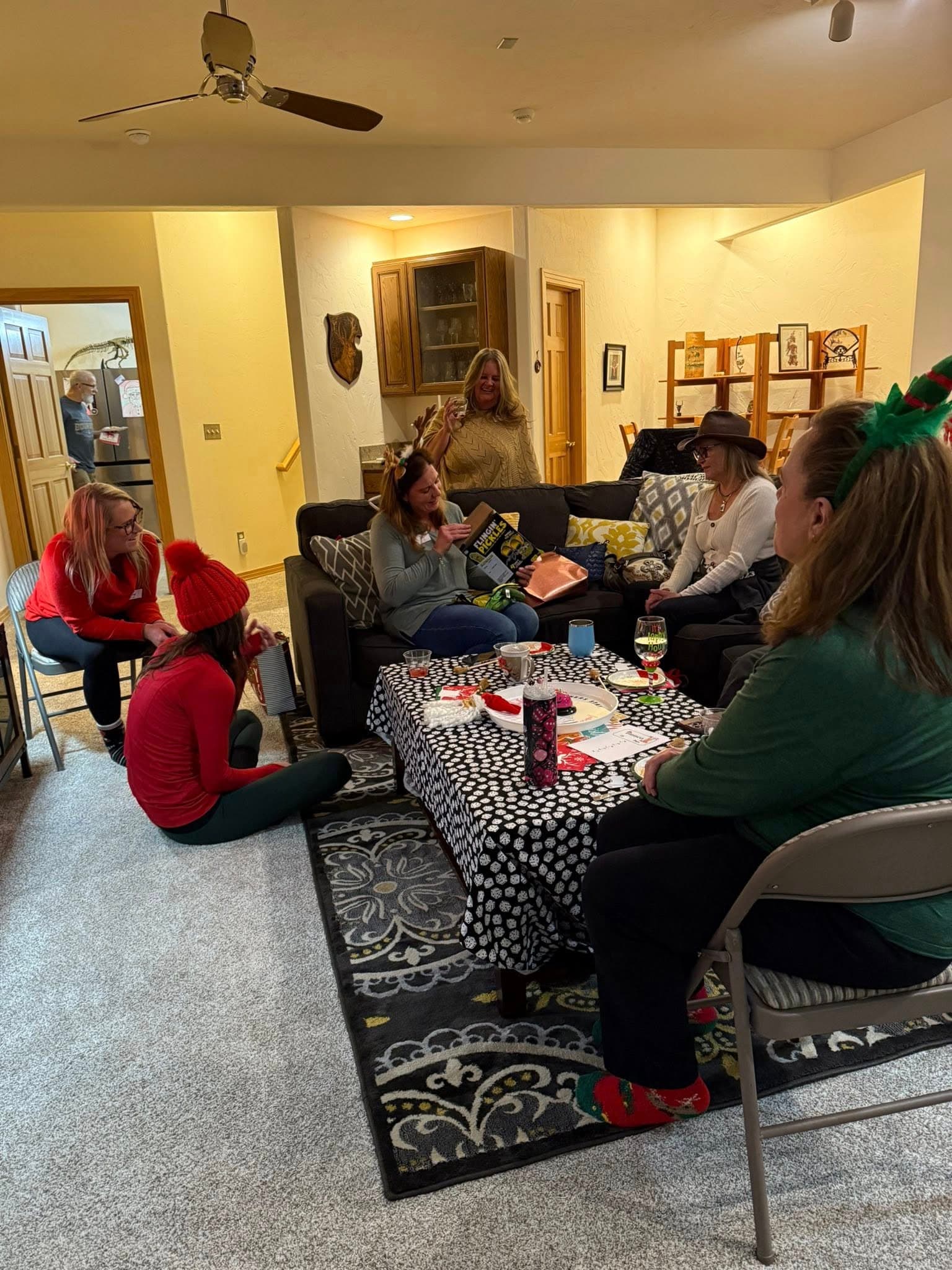
By the 1970s, Bunco groups were popping up in neighborhoods across the country. The format was almost always the same: twelve women, three tables, a rotating host, a small buy-in for prizes, and a whole lot of snacks. The game became less about the dice and more about the community it created.
The Bunco Boom: 1990s and 2000s
Bunco hit its stride in the 1990s and 2000s. What had been a quietly popular neighborhood game suddenly became a full-blown cultural phenomenon. Bunco groups exploded in popularity, especially among women in their 30s, 40s, and 50s who were looking for a low-pressure, high-fun social outlet.
The internet played a huge role. Early message boards and forums let Bunco players share rules, scorecard templates, theme ideas, and hosting tips. Bunco supply kits started appearing in stores. Party planning websites dedicated entire sections to Bunco night ideas. The game even made appearances on television shows and in movies, cementing its place in pop culture.
By some estimates, over 50 million Americans have played Bunco at some point. That is a remarkable number for a game with no official league, no governing body, and no professional circuit. Bunco grew entirely through word of mouth, one neighborhood at a time.
Why Bunco Has Lasted So Long
Games come and go. Trends fade. So why has Bunco survived for nearly 200 years while countless other parlor games have been forgotten? A few reasons stand out:
- Zero barrier to entry. You do not need to be smart, athletic, strategic, or experienced. Anyone can play Bunco the first time and have just as much fun as a ten-year veteran. This makes it the most inclusive game night option out there.
- It is social first, competitive second. Nobody plays Bunco to win. They play to laugh, connect, and spend time with their people. The dice are just the excuse.
- It scales perfectly. Twelve players is ideal, but groups adapt all the time. The core mechanic works whether you have eight people or twenty. The structure is flexible enough to fit any group size or personality.
- It creates ritual. Monthly Bunco night becomes a standing date on the calendar, something people plan around and look forward to. That consistency is powerful. It builds friendships that last for years and even decades.
- It is fun. At the end of the day, rolling dice and screaming "Bunco!" when you hit the target number is genuinely exciting. The energy in a room during a hot streak is electric. No app or screen can replicate that feeling.
Bunco Today
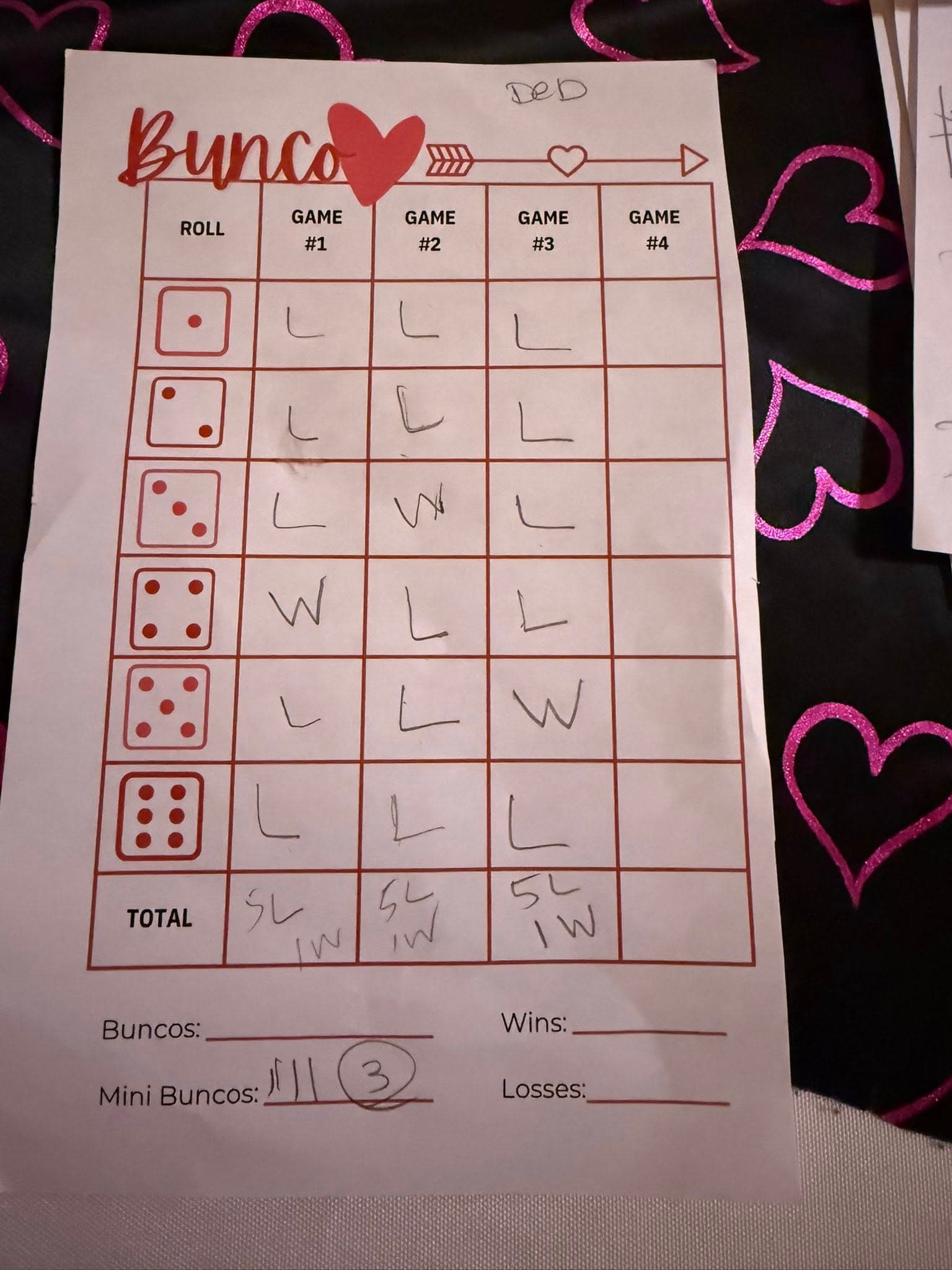
Modern Bunco looks a little different than it did in the 1960s. Groups now use apps to manage RSVPs, track scores, and handle payouts. Themed nights with elaborate food spreads and costumes have become the norm. Social media groups connect Bunco players across the country, sharing ideas and celebrating game nights.
But the heart of the game has not changed at all. It is still twelve people sitting around tables, rolling dice, eating good food, and making each other laugh. It is still a monthly tradition that turns strangers into friends and friends into family. It is still the simplest, most joyful reason to get together.
The next time you roll those dice on Bunco night, remember that you are part of something that has been bringing people together for almost 200 years. From smoky gambling halls to your dining room table, Bunco has always been about one thing: people showing up for each other. And that never goes out of style.